
Vitamin D: The Essential Sunshine Vitamin for Health and Wellness

November 12, 2024
Vitamin D, often called the “sunshine vitamin,” is a powerful nutrient vital to our health, yet it’s estimated that over 40% of people worldwide have insufficient levels. Unlike most vitamins, vitamin D acts like a hormone and has a wide range of effects on the body, from strengthening bones to supporting immunity and even influencing mood. Here’s everything you need to know about this essential nutrient, why it matters, and how to ensure you’re getting enough.
1. What Is Vitamin D?
Vitamin D is a fat-soluble vitamin that we can produce when our skin is exposed to sunlight, specifically UVB rays. It’s unique because, unlike other vitamins, we don’t get it exclusively from diet—sun exposure is actually the most effective way for our bodies to produce it. Vitamin D comes in two primary forms:
- D2 (ergocalciferol): Found in some plant-based sources like mushrooms.
- D3 (cholecalciferol): Produced in the skin when exposed to sunlight and also found in animal-based foods. D3 is more effective at raising and maintaining vitamin D levels in the blood compared to D2.
2. Why Is Vitamin D Important?
Vitamin D has numerous essential roles in the body, including:
1. Bone and Muscle Health: Vitamin D helps the body absorb calcium, which is crucial for bone strength and density. Low levels of vitamin D can lead to weak bones, increasing the risk of fractures and conditions like osteoporosis in adults and rickets in children.
2. Immune System Support: Vitamin D plays a role in immune function and has been shown to help the body fight off infections, including respiratory infections. Research has suggested that people with low levels of vitamin D may be more susceptible to colds and flu.
3. Mood and Mental Health: Some studies link low vitamin D levels with an increased risk of mood disorders like depression. While the exact mechanisms aren’t fully understood, it’s thought that vitamin D influences neurotransmitters in the brain that affect mood.
4. Heart Health: Emerging research suggests that vitamin D might help maintain a healthy cardiovascular system, potentially lowering the risk of high blood pressure and heart disease.
3. Signs of Vitamin D Deficiency
Vitamin D deficiency can be hard to detect because symptoms are often subtle, but they may include:
- Fatigue
- Bone pain
- Muscle weakness
- Frequent illness or infections
- Low mood or symptoms of depression
Risk factors for deficiency include limited sun exposure, darker skin (melanin reduces the skin’s ability to produce vitamin D), aging (the skin’s ability to make vitamin D decreases with age), and certain medical conditions that affect absorption.
4. How to Get Enough Vitamin D
1. Sunlight: Spending time outdoors in direct sunlight is one of the most natural ways to increase vitamin D. Just 10-30 minutes of midday sun exposure a few times a week can be sufficient, though this varies based on factors like skin type and location. However, in winter months or if you live in a northern climate, sun exposure might not be enough.
2. Food Sources: While few foods naturally contain high levels of vitamin D, some good options include:
- Fatty fish (salmon, mackerel, sardines)
- Egg yolks
- Fortified foods (milk, orange juice, cereal)
- Mushrooms (especially when exposed to sunlight)
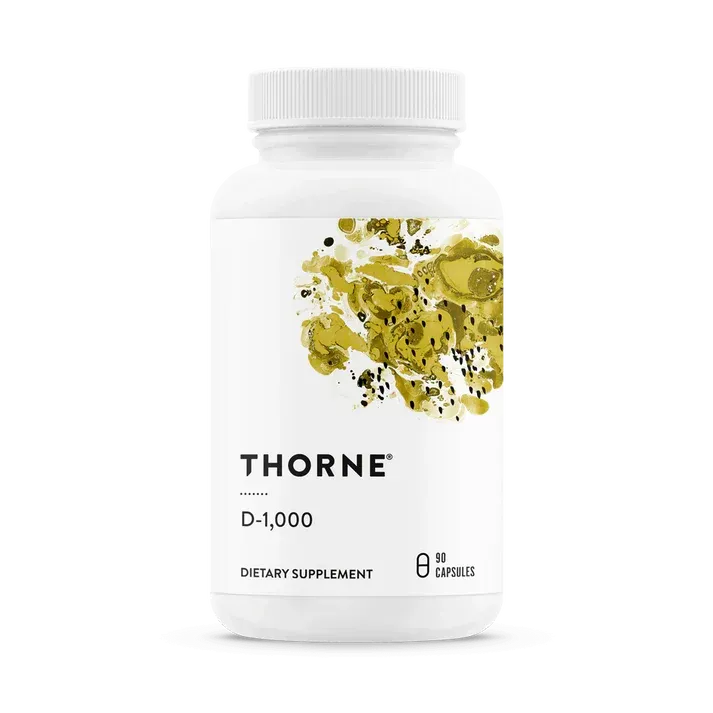
3. Supplements: Vitamin D supplements are a reliable way to ensure you’re meeting daily needs, especially in winter or if you have limited sun exposure. The most common form is vitamin D3, as it is more effective at raising blood levels than D2. It’s best to consult a healthcare provider to determine the correct dose for you.
5. How Much Vitamin D Do You Need?
The recommended daily intake for vitamin D can vary based on age, location, and other factors. Here are the general guidelines:
- Infants (0-12 months): 400 IU (10 mcg)
- Children (1-18 years): 600 IU (15 mcg)
- Adults (19-70 years): 600 IU (15 mcg)
- Adults over 70 years: 800 IU (20 mcg)
Some experts suggest that even higher levels may be beneficial, particularly for those at risk of deficiency, though extremely high doses can be harmful.
Final Thoughts: Keep an Eye on Your Vitamin D Levels
Vitamin D plays an essential role in overall health, from bones to the immune system to mental well-being. Despite its importance, it can be challenging to get enough, especially during colder months or for those with limited sun exposure. A balanced approach that includes safe sun exposure, vitamin D-rich foods, and possibly supplements can help you maintain optimal levels and stay healthy all year round. Consider getting your levels checked regularly, especially if you experience symptoms of deficiency.
Categories